Workplace culture hasn’t just changed, it’s transformed. For another edition of then vs. now, we’re taking a quick trip through the evolution of the office and the forces that reshaped it.
The Work Day
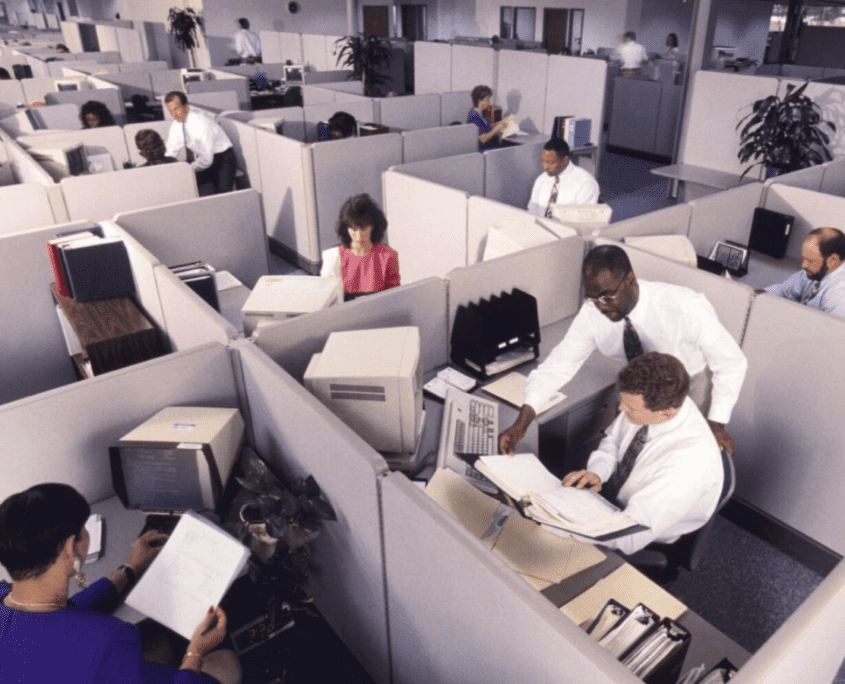
Then: 9-5 at your desk
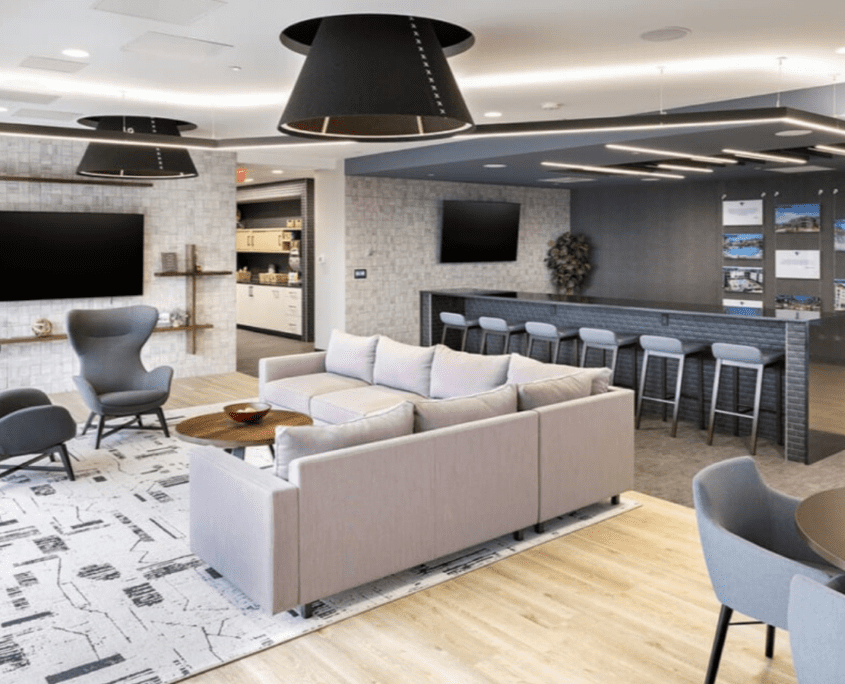
Now: Hybrid schedules with various choices to work
Why the change? Technology made work mobile. Laptops, cloud platforms, and video conferencing allow teams to work from anywhere, giving organizations the opportunity to design offices that support flexibility, choice, and productivity. The COVID-19 pandemic accelerated this shift, proving that work could happen beyond the traditional desk and reshaped expectations for hybrid schedules and more flexible, people-focused spaces.
Did you know? The average office worker used to have over 200 paper files on their desk. Today, most of that lives in the cloud.
The Experience
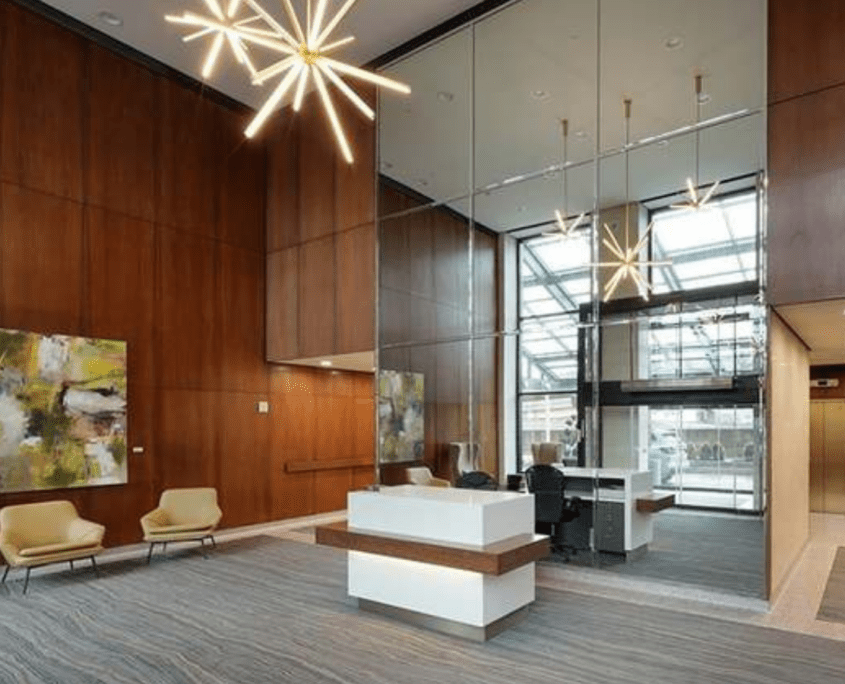
Then: Formal lobbies with minimal furniture, maybe a small fitness room, and vending machines
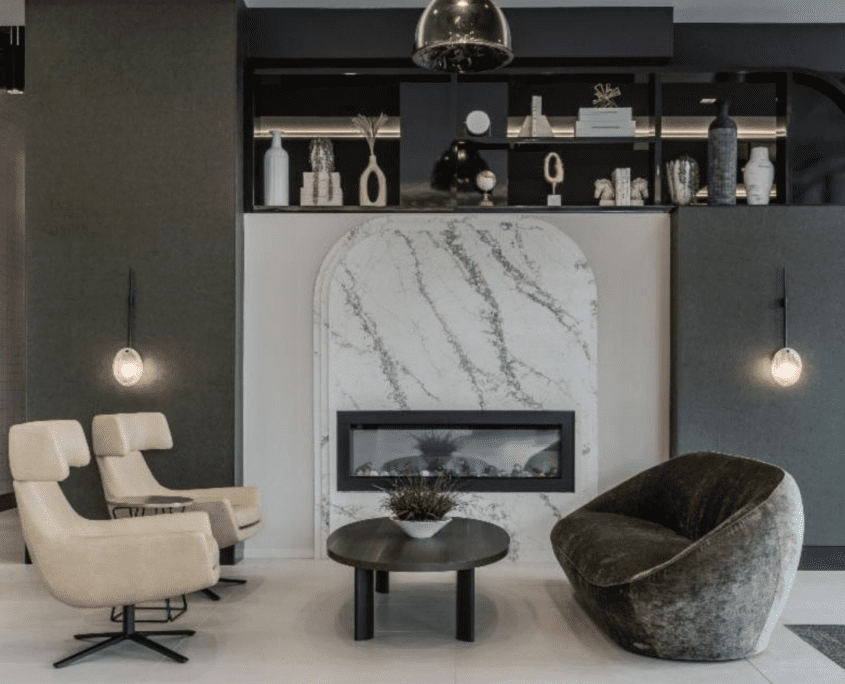
Now: Tenant lounges, cafes, a variety of wellness spaces, and extensive outdoor terraces
Why the change? In the past, office buildings were designed purely for basic functionality. Amenities were minimal because they weren’t considered essential to productivity. Today, the workplace is expected to support the full tenant experience. As companies compete for talent and encourage employees to return to the office, building designs have evolved to offer spaces that promote comfort, connection, and wellbeing.
Did you know? Buildings with strong amenities can command up to 10–20% higher lease rates because companies see them as tools for attracting talent.
Inclusive + Adaptive Design
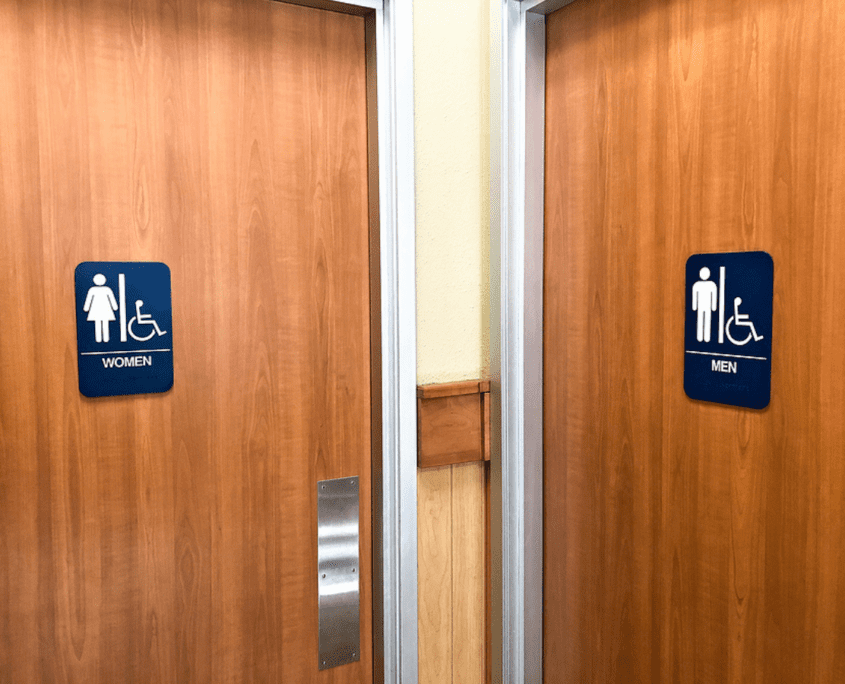
Then: One-size-fits-all design, traditional gender-specific restrooms, and little consideration for individual wellness or medical needs
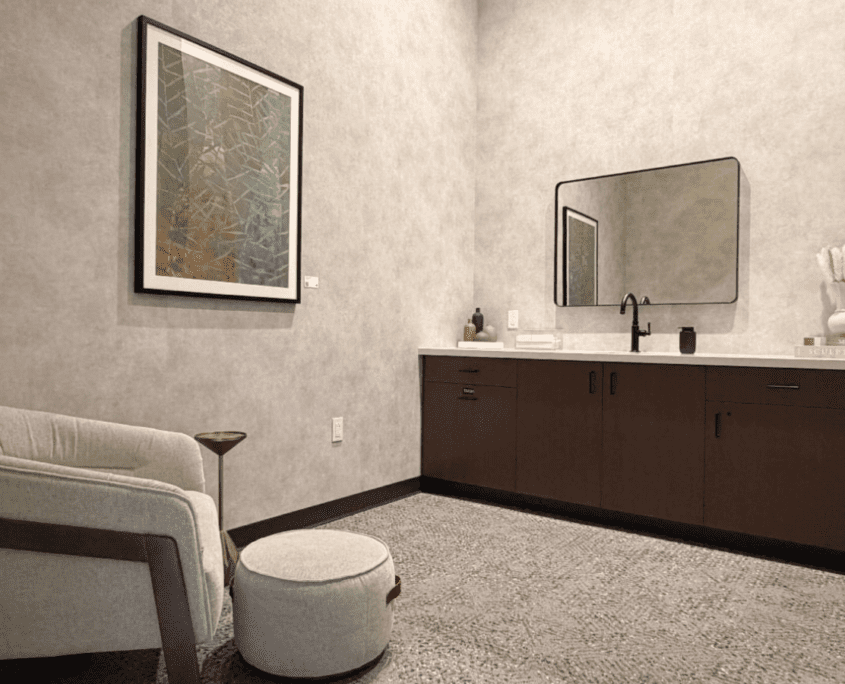
Now: Sensory rooms, respite rooms, mother’s rooms, quiet recharge spaces, and gender-neutral restrooms
Why the change? Workplaces were once designed for efficiency and standardization. Today, organizations recognize that employees have diverse needs and experiences. As awareness of neurodiversity, mental health, and inclusivity has grown, workplaces are evolving to include spaces like sensory rooms, respite rooms, and gender-neutral restrooms that help foster a workplace where everyone feels respected, comfortable, and able to thrive.
Did you know? Roughly 1 in 5 people are neurodivergent, which is why many modern workplaces are introducing sensory rooms and quiet spaces designed to reduce stimulation and support focus.
Office Fashion
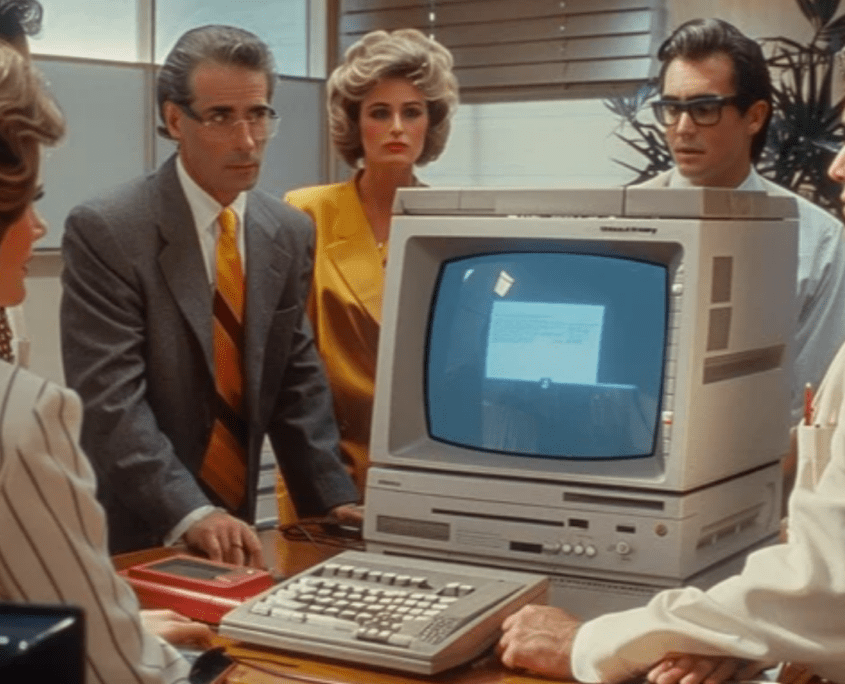
Then: Shoulder pads, suites with ties, skirts and heels
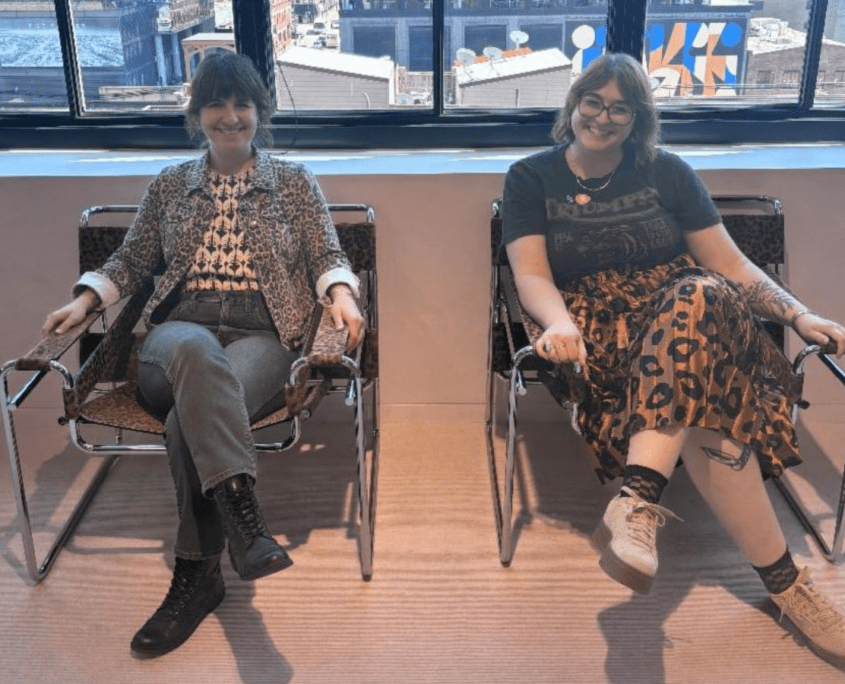
Now: Business casual, comfort, and expression of personality Business casual, comfort, and expression of personality
Why the change? Office fashion has relaxed right along with workplace culture. What was once defined by strict dress codes has shifted toward comfort and personal style. As workplaces became more flexible and collaborative, dress followed suit, prioritizing authenticity, practicality, and individuality over formality.
Did you know? Casual Friday started in the 1990s thanks to Hawaii’s “Aloha Friday” movement which encouraged employees to wear a Hawaiian shirt to work on Fridays as a way to support local businesses and make work more comfortable.